No bath heating required
Eliminates steam or electric heating infrastructure
Phosphating · Process-engineered chemistry
40–60% Energy Savings vs. Heated Process
01 / Product brief
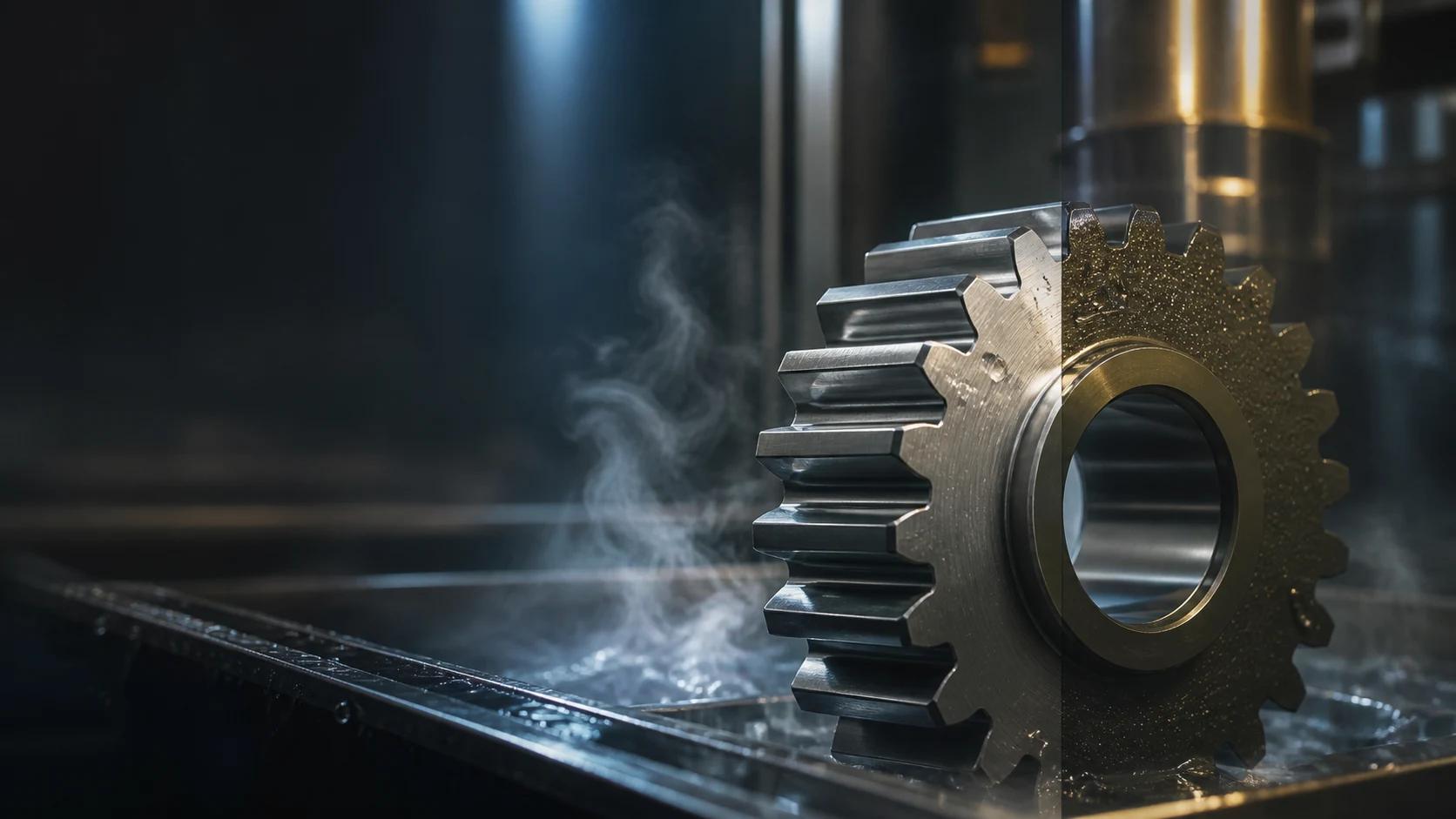
Room-temperature zinc phosphating producing medium-to-heavy coatings of 7–15 g/m² at 25–35°C without bath heating. Extended process time compensates for the lower reaction rate at ambient temperature, delivering coating weight and corrosion performance comparable to heated processes on ferrous substrates.
Eliminates steam or electric bath heating — reducing energy consumption 40–60% versus hot-process zinc phosphating on equivalent coating weight. The heavier 7–15 g/m² coat also provides greater standalone corrosion protection for outdoor storage.
02 / Performance
Product-specific outcomes for production quality, operating control and line performance.
Eliminates steam or electric heating infrastructure
Significant operational savings on heavy-coat applications
Superior standalone corrosion protection for outdoor storage
04 / Process position
Applied at Stage 5 (Phosphate) at room temperature without heating — produces heavy coatings for outdoor corrosion protection.
Remove oil, grease and shop contaminants
Remove cleaner residues
Remove rust, mill scale and oxides
Remove acid residues
Form the crystalline zinc phosphate coating
Remove unreacted phosphating chemicals
Improve corrosion resistance
Remove retained moisture
Apply the final protection system
05 / Applications
Typical applications and substrate conditions for UNIKOAT LT700.
Technical support
Share your substrate, current bath, throughput and finishing system. Our process team will recommend a practical trial window.
Whether you're scaling a phosphating line, addressing inconsistency across plants, or moving to chromium-free systems — our team is ready to engineer chemistry around your process.